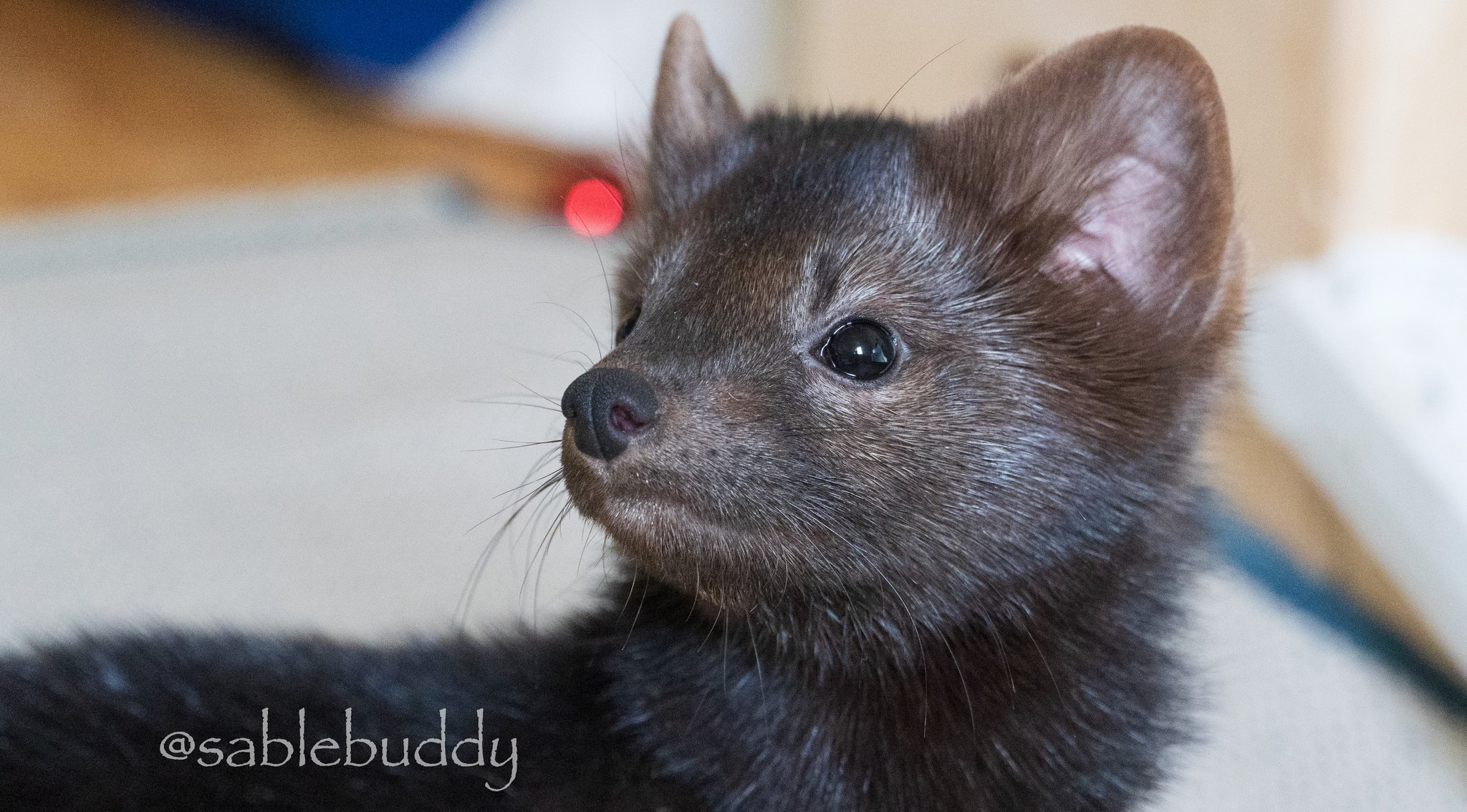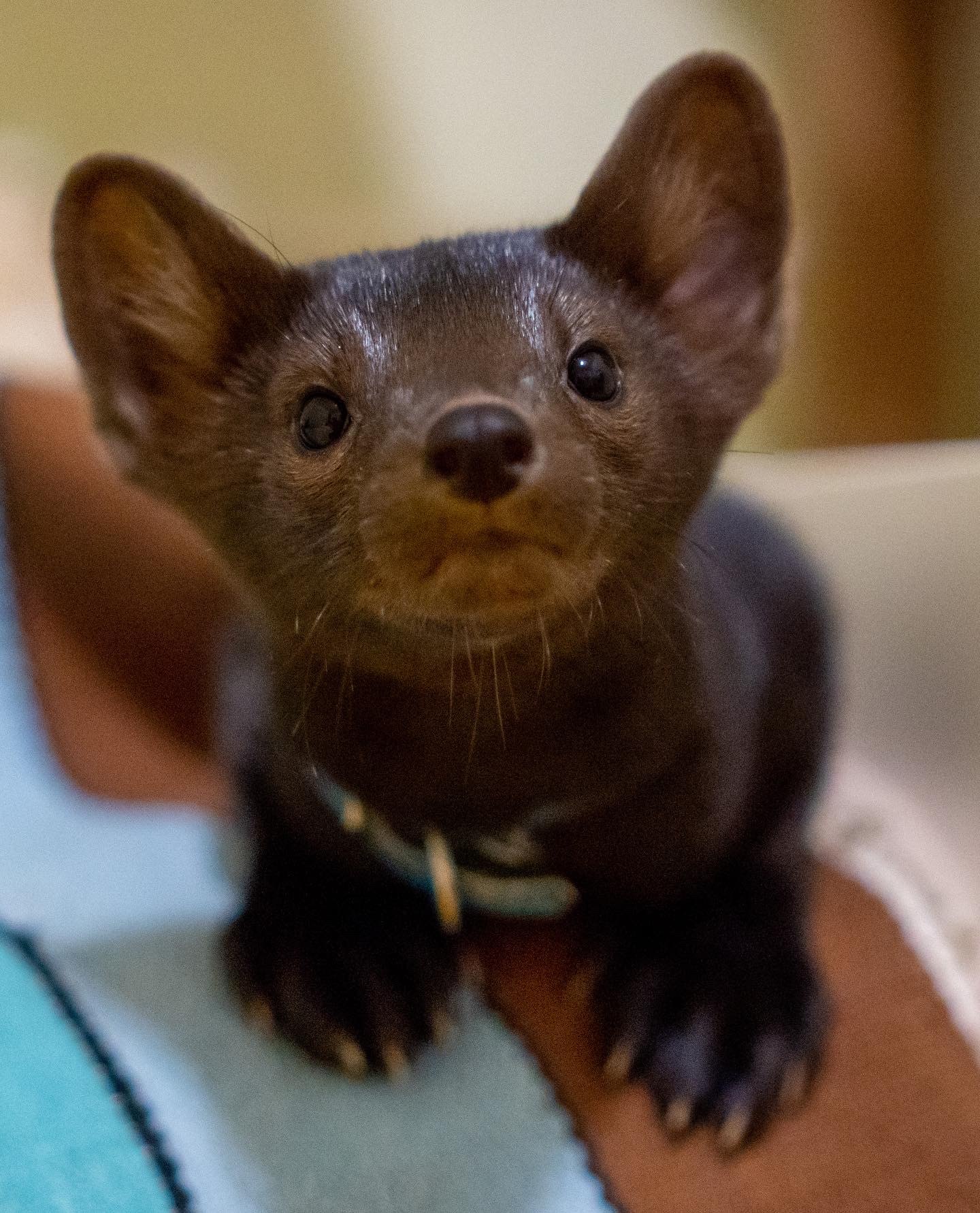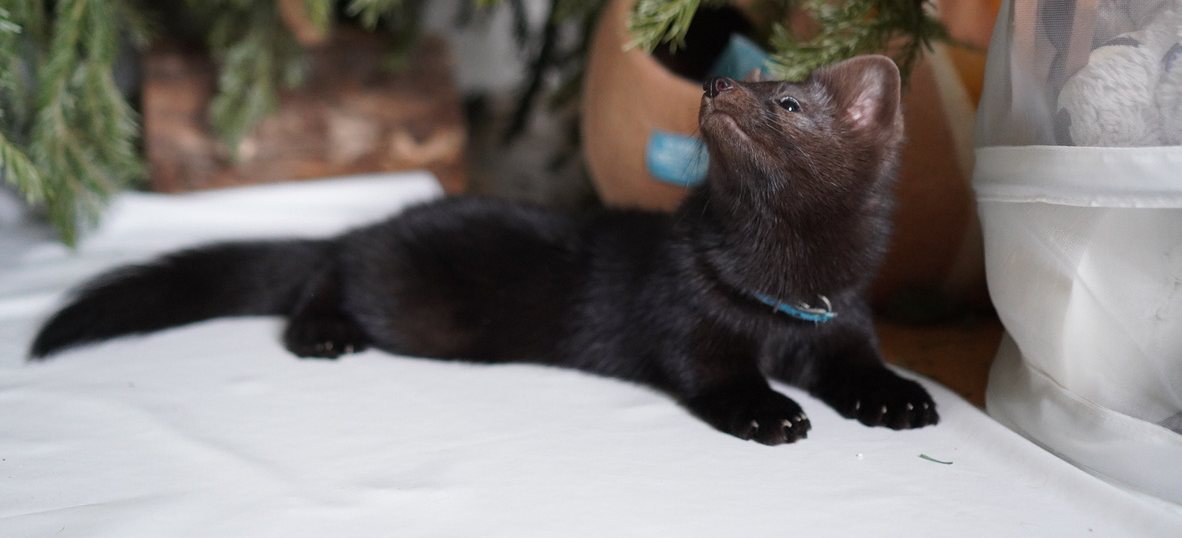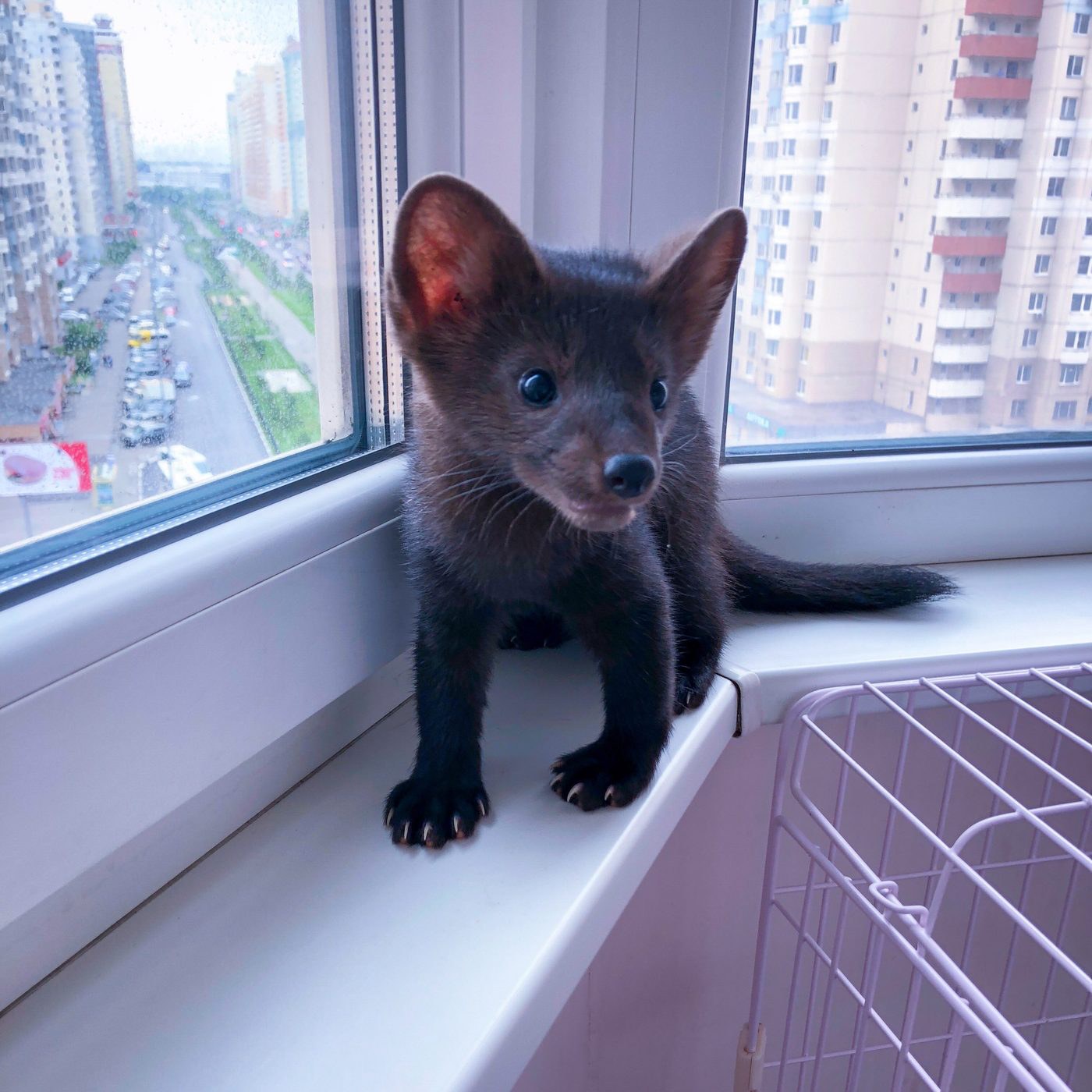
My recommendation is very simple: either go to a fur farm and choose the pup yourself, or sign up in advance for Valentin Polevoy's nursery.
Do not buy a sable from random sellers
A low price, in this case, should not please you — it should alarm you.
From a reseller you do not know the animal's origin. It may be an ordinary pup bought cheaply at a fur farm and now being resold to you at a markup. And that is still the best-case scenario.
In the worst case you may get a problem or sick pup whose origin cannot be properly verified.
A separate problem is self-biting. In proper breeding, adult sables showing signs of self-biting are culled and never bred. But if somewhere a failure occurred and offspring from such animals still appeared, those pups may be handed to resellers very cheaply.
As a result you may buy a sick animal that will make you suffer and that may eventually die. Sables with self-biting live short lives, and caring for such an animal is extremely hard.
Why I so strongly advise against resellers
I know of a case with a reseller who transported pups almost from the Far East, packing them into boxes of about fifty animals each. Some of the pups died on the way.
But even if a pup physically survived such a journey, that does not mean it ended well.
For a very young sable, severe stress can have very serious consequences and can later trigger self-biting.
I know the tragic story of a girl who bought such a pup. She raised him, grew deeply attached to him, the pup attached himself to her — and later he developed self-biting.
It is a terrifying condition. During a panic attack the animal starts biting itself and can literally gnaw off its own tail. Stopping it is extremely difficult. The sable mutilates himself, suffers, and may eventually die.
And the scariest part is that the problem may not appear right away.
You buy a tiny pup. You raise him. You feed him, teach him, play with him. He bonds to you almost as to a mother, and you bond to him. A young sable and a human really can form an incredibly strong connection.
And then the grown animal starts self-biting.
I cannot even imagine how hard it is to watch the little animal you raised from a baby — one that trusts you completely — mutilate himself while you can do practically nothing about it.
That is exactly why I insist so stubbornly: do not buy a sable from who-knows-whom just because it is cheaper.
You do not know where that pup came from. You do not know the conditions he was kept in. You do not know how he was transported or what stress he went through in the first weeks of his life.
Be careful with “absolutely tame pups”
If an unfamiliar seller promises you a “completely tame, affectionate, problem-free sable”, I would simply close the listing.
A young sable does not become a house cat because the seller wrote the word “tame”.
There have been cases where completely unsocialised pups were dosed with valerian or other sedatives before the sale. The buyer was shown a calm, sweet little animal that could be picked up, and it was sold as “tame”.
Then the drug wore off, and the person discovered they had bought a completely unsocialised sable — sometimes with health problems on top.
So if you are told: “Wonderful pup, completely tame, affectionate, no problems at all” — do not believe the advertising. Check the animal's origin and the seller.
Where to buy
The first option is a good fur farm.
Do not be lazy — go there in person. See where the animal comes from, in what conditions the sables are kept, and choose the pup yourself.
Some resellers simply buy pups at fur farms every season and then resell them to you. That is still a relatively good option if the pup was kept properly, not transported far and not traumatised. But why pay a middleman and take on extra unknowns when you can go to the fur farm yourself?
The second option I can recommend is Valentin Polevoy's nursery.
He has socialised pups that have contact with humans from an early age, so for home keeping it is one of the most problem-free options.
But you need to sign up in advance. There are few pups — sometimes literally one litter a year — so arriving in June and simply buying an available youngster may not work out.
These are the two sources I would trust: a good fur farm where you came in person and chose the animal yourself, or Valentin Polevoy's nursery.
When to buy
Pups are born in spring; the main buying season is May–June.
Age matters a great deal here.
The best window for moving to a human is about 1–1.5 months. After two months adaptation becomes harder. Up to five months socialisation is still possible, but it will require much more time and work.
So look for a sable in advance rather than waiting until autumn and then choosing from animals that for some reason were left unsold.
How much a sable costs
At one time the benchmark was around 20,000 rubles. I do not know what a pup costs now, so it is better to check the current price directly with the fur farm or the nursery.
But I definitely do not advise choosing on the principle of “this one is ten thousand cheaper”.
The cost of the sable himself is the smallest problem you will have if you buy a sick or traumatised pup.
How to choose a pup
Do not look only at the coat colour.
The pup should look healthy, be active and curious, and react normally to what is happening around him. Look at the eyes, the coat, the movements and the general condition.
Be sure to find out the animal's exact age and origin.
And most importantly — do not buy a sable impulsively from a person you know nothing about just because they sent you a cute video and wrote: “He is absolutely tame”.
A sable will live with you for many years. Spending a day travelling to a fur farm and choosing the animal yourself is a very small price for understanding exactly who you are taking home.