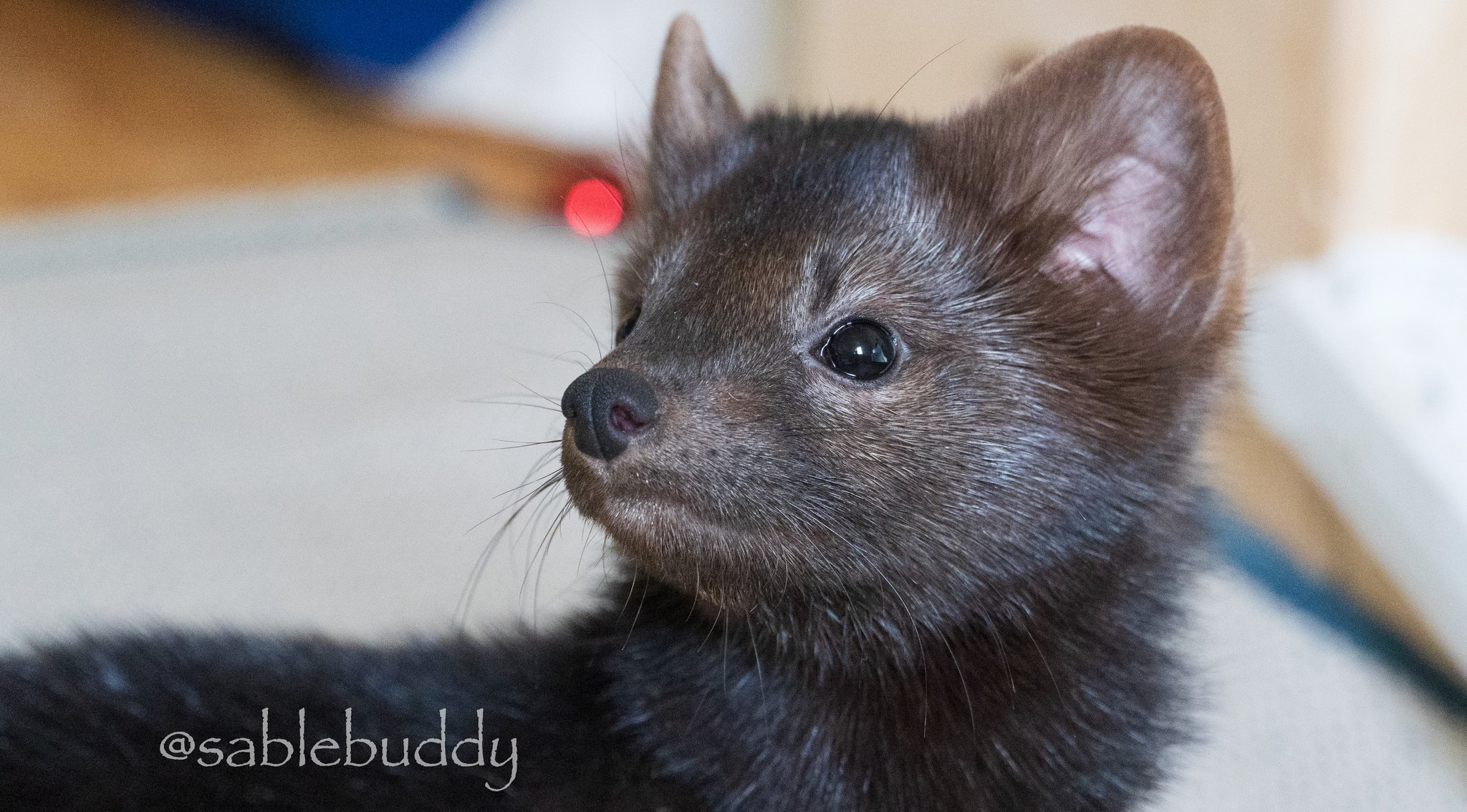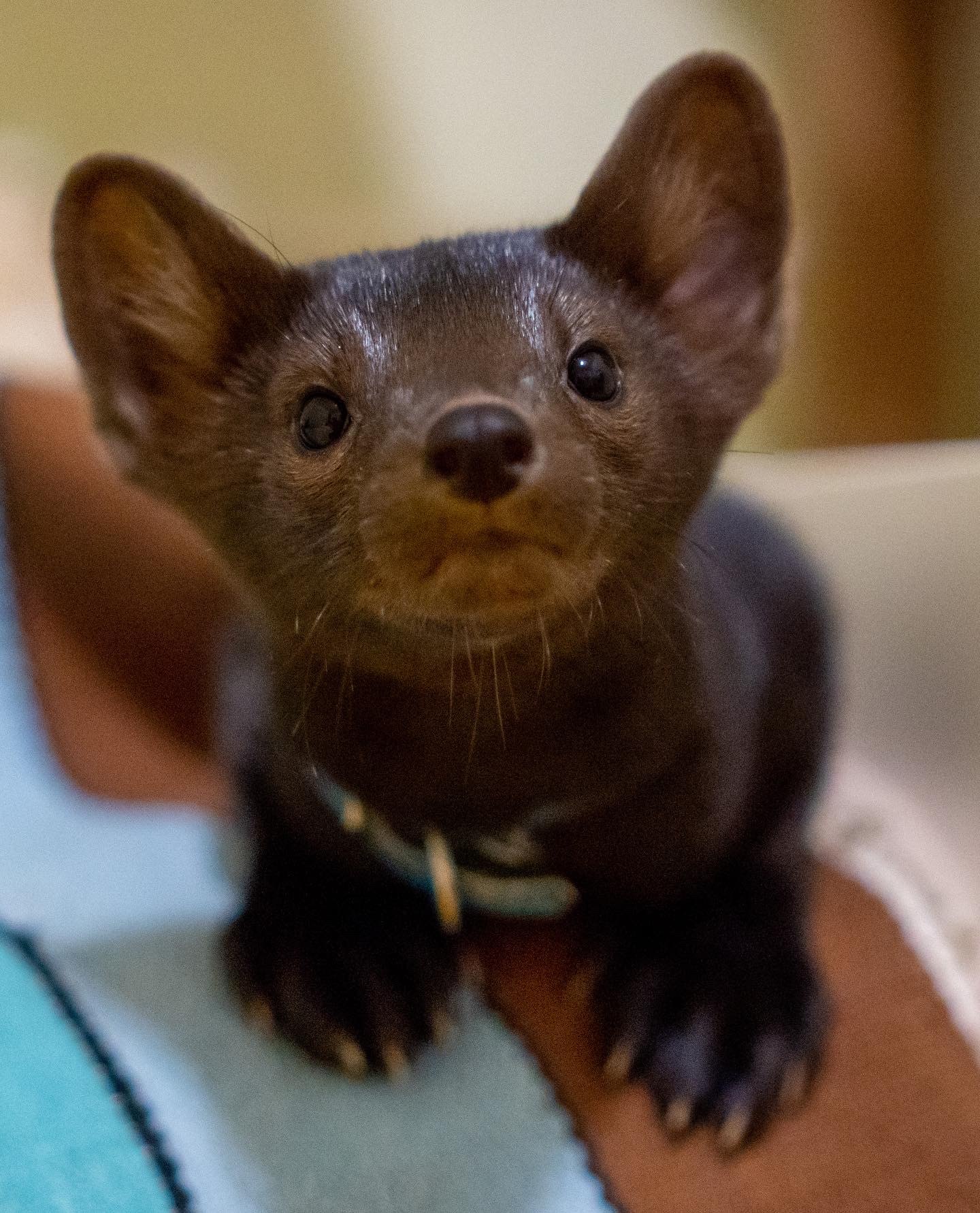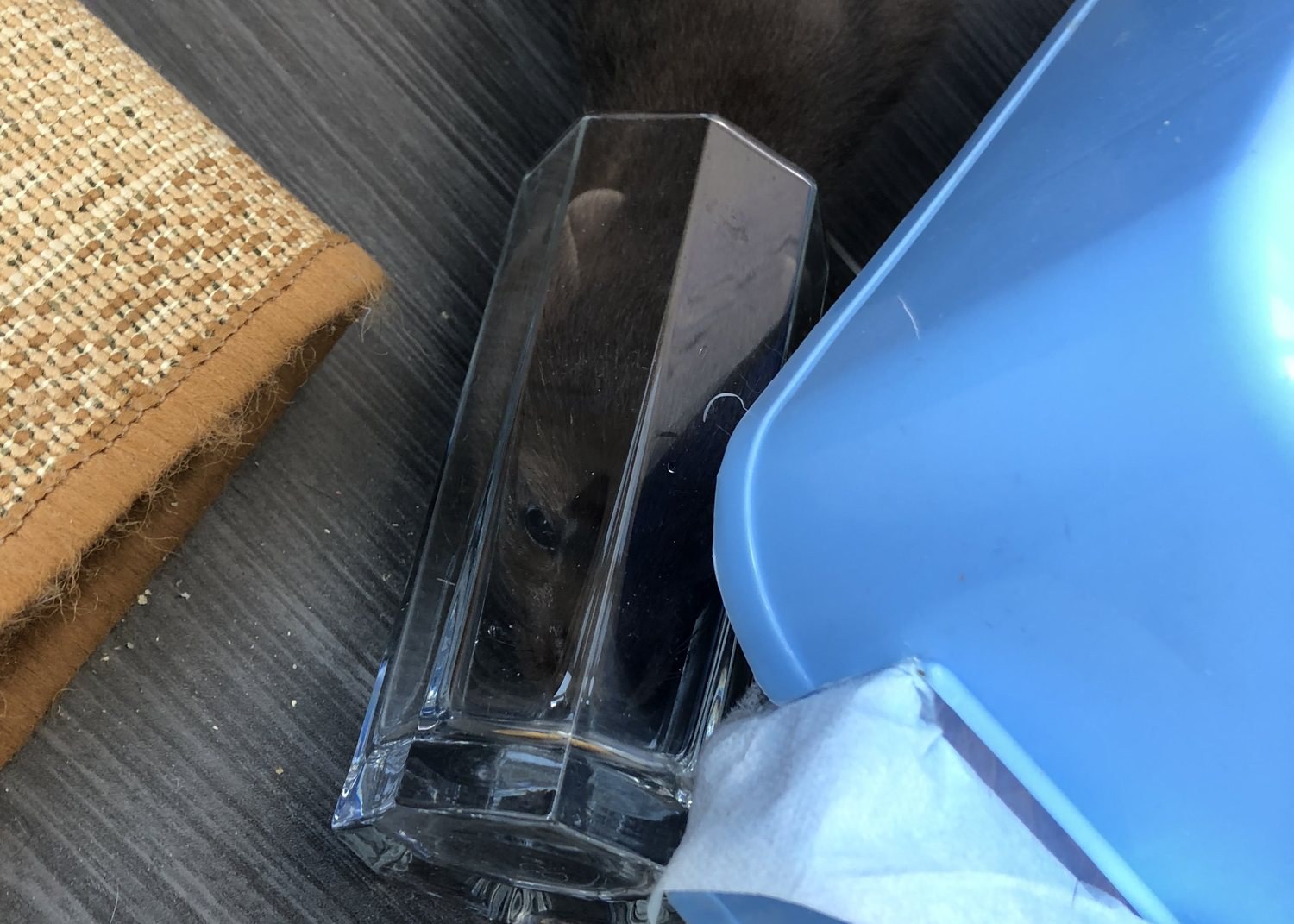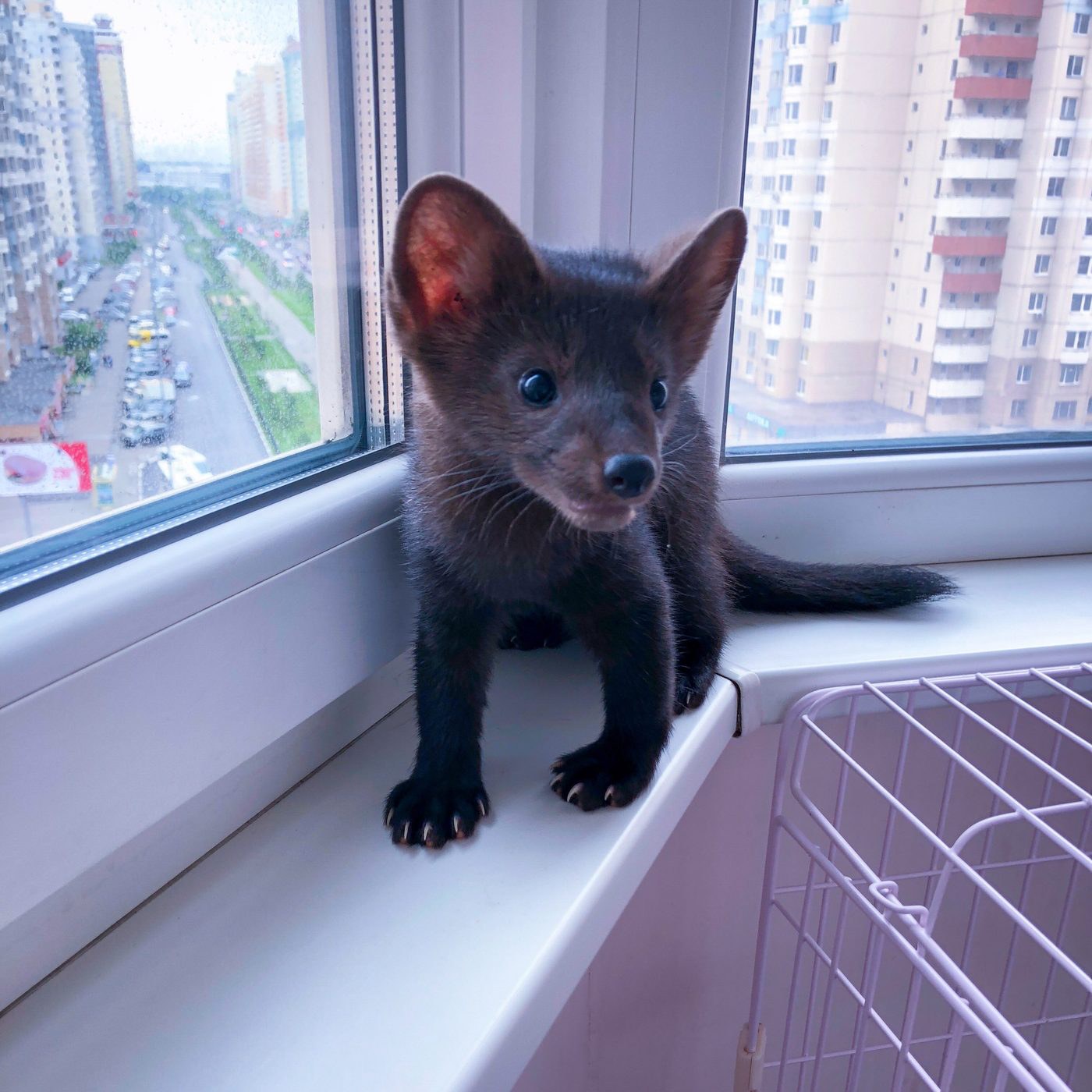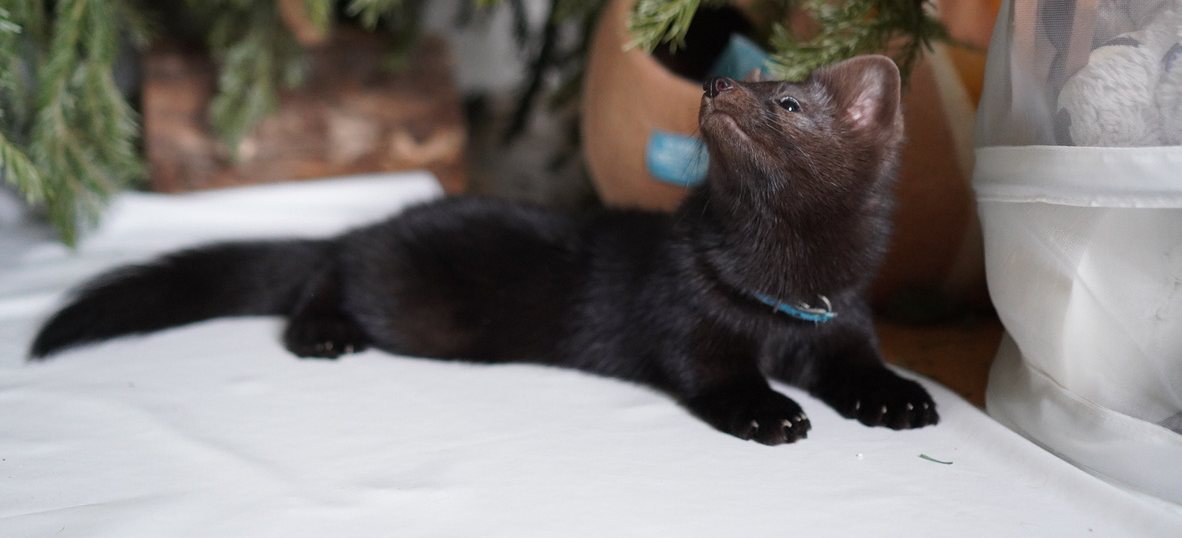
Can you keep a sable at home?
Yes. A sable can live in a home and form a very strong bond with a human, but he is a semi-domesticated predator, not an ordinary pet. He needs socialisation, a safe space, constant interaction with a person and quite a lot of your time.
Do pet sables bite?
Yes. Young sables bite especially often. For them, teeth are a normal tool of play and interaction with the world. A pup needs to be gradually taught the rules of communicating with humans and how to control bite force.
Can a sable be litter-trained?
Yes, but do not expect the hundred-percent accuracy of a cat. Besides the toilet, a sable has scent marks. To a human the result may look identical, but to the sable himself these are completely different things.

The litter Buddy uses
Dr. Elsey's Ultra Cat Litter
Can a sable live with a dog or a cat?
You can, but another animal must not replace the human for a sable. The main bond should be formed with you.
Relationships with a dog or a cat require supervision, and with small animals you need to remember that a sable remains a predator.
Is it better to get one sable or two?
One. And there are two reasons at once.
The first — when sables grow up, they will have to be separated. Little pups may play and live together beautifully, but adult sables are territorial. They will fight, and fights can end with one sable killing the other. There have been enough such cases. So two adult sables will in any case need two separate territories.
The second reason is no less important. When you take a young sable, your task is to form a very strong bond between him and you. To do that, you must become the little centre of his universe.
This bond is built on three pillars:
1. Safety — it is safe next to you.
2. Play and interest — the most interesting things in life happen together with you.
3. Food — you are the one who brings the food.
If you remove even one of these factors, the bond forms differently, and when the sable grows up, problems may begin.
That is why the idea “I'll take two at once so they won't be bored” works exactly the opposite way with a pet sable. In childhood they get each other instead of needing to build the strongest possible bond with a human — and after maturing they will have to be separated anyway.
Does a sable need a cage?
Yes, but not as a place where he will spend his whole life. A sable absolutely needs a safe space of his own, but he also needs movement, play, territory to explore and daily interaction with a human.
At what age should you get a sable?
The best window is about 1–1.5 months. After two months socialisation becomes harder. Up to five months, forming a normal relationship with a human is still possible, but it will take significantly more time and work.
More: When to buy a sable
Should you get a sable at all?
For most people — no.
A sable demands a lot of time, damages things, bites, marks territory and needs a specially organised space. He is a semi-domesticated predator, not an exotic version of a cat or a ferret.
But if you understand all these difficulties and are ready to build a relationship with such an animal over many years, the bond between a sable and a human can be completely unique.