Read the story
Introduction: The Road That Led to a Miracle
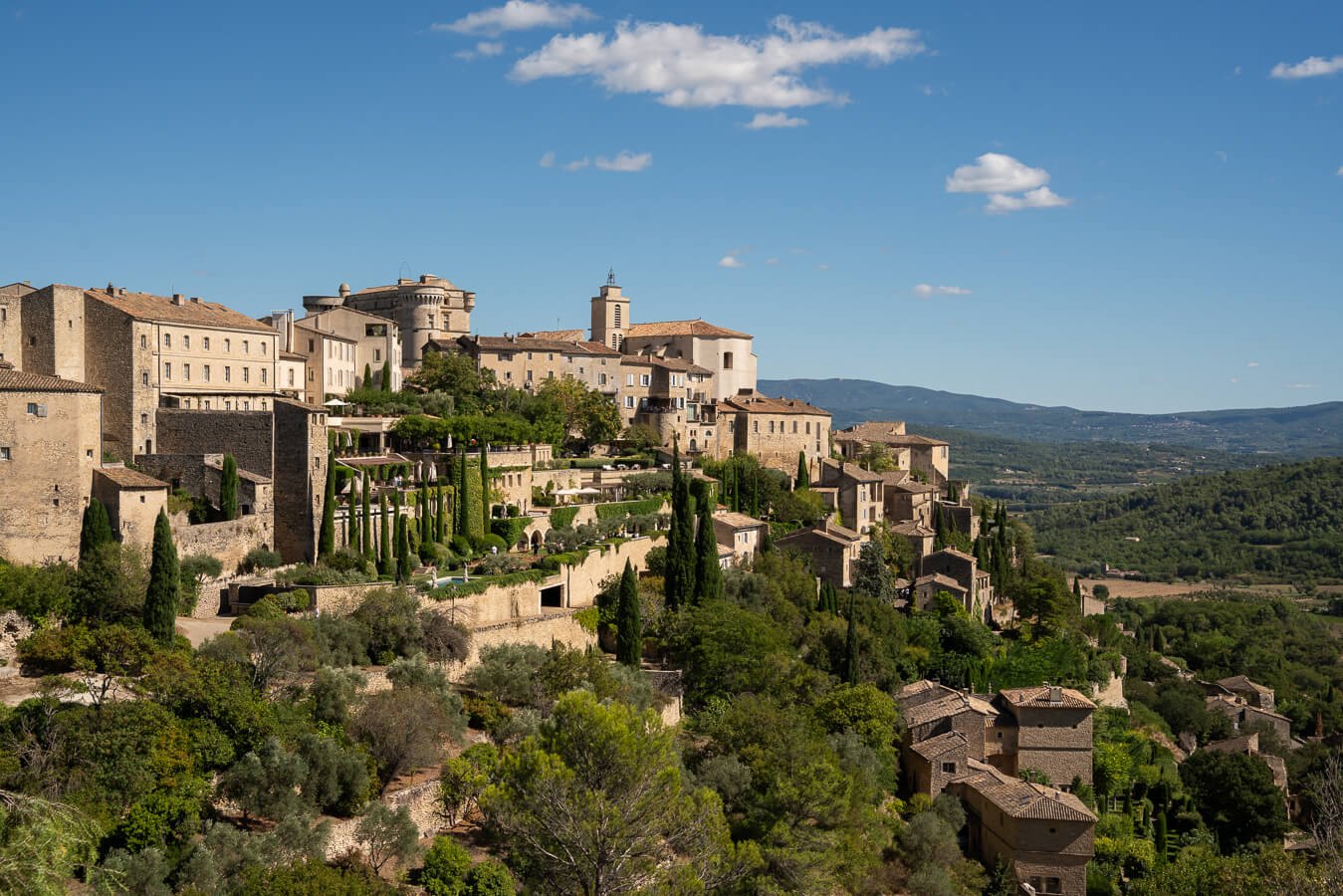
That morning, we were roaming around the Luberon looking for beautiful places. The weather was rainy, and our first stop—Gordes—didn't deliver the "wow" effect I was expecting. Too touristy, too postcard-perfect. But it was there, while searching for something more authentic, that we stumbled upon the tiny village of Saint-Saturnin. This is where we learned the story that still stays with me.
Part I. Rosette Tamisier: The Miracle That Hundreds Witnessed
Who Was Rosette?
Rosette (Rose) Tamisier was born in Saignon. At the time of the events, she was 34 years old, had already left the convent, and was living in Saignon. She was unmarried and had no children.
The Events of 1850: The Miracle and Its Witnesses
One day, while praying in the chapel of the castle of Saint-Saturnin, Rosette saw blood appear on a painting of Christ on the cross. She told everyone about what she had seen: priests, neighbors, acquaintances. Word spread quickly, and crowds began to flow to Saint-Saturnin to see the painting.
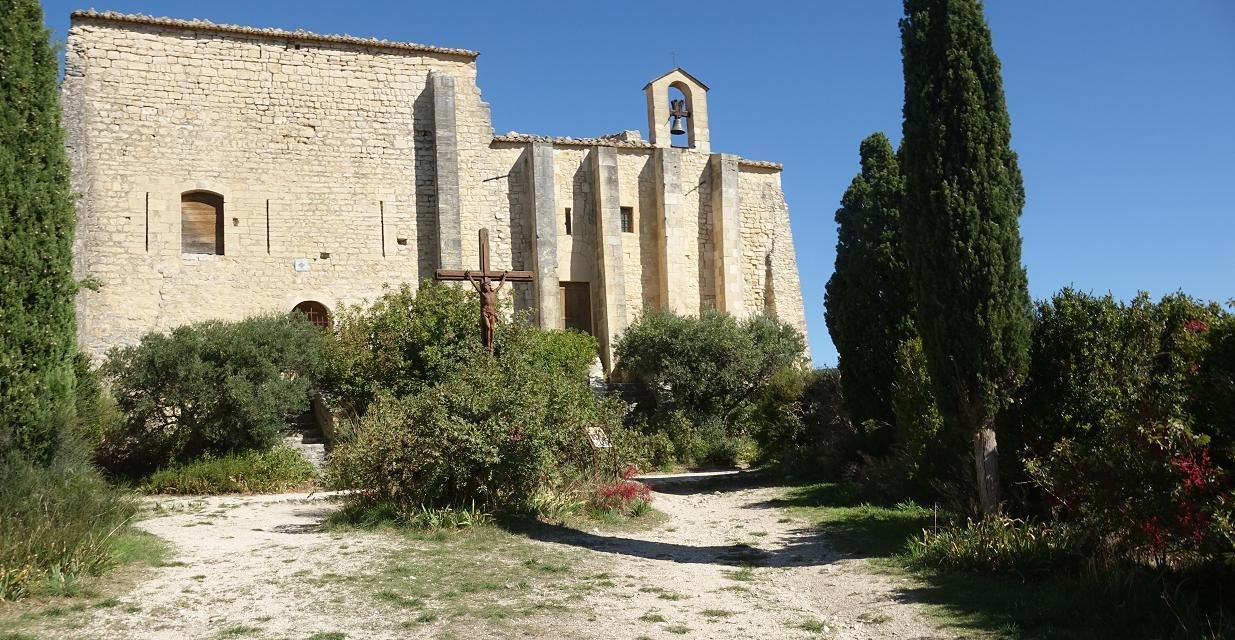
More than 300 people witnessed the phenomenon (some sources say more than 600). Among them were representatives of the authorities and simple believers. The phenomenon repeated several times.
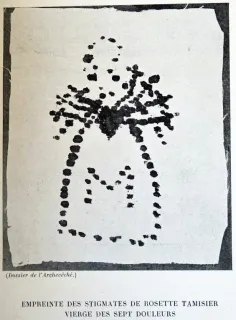
The Thorough Examination of the Painting
The Archbishop of Avignon came to Saint-Saturnin in person. The painting was taken down and thoroughly examined from all sides, but nothing was found—it was clean. And yet the Archbishop refused to call it a miracle.
The Charge of Stealing the Host: An Attempt to Silence Her
Rosette was arrested. She was accused of damaging church property and of stealing the host in another chapel. This accusation looked like a desperate attempt to find a formal pretext to punish her—since all other charges crumbled under the weight of witness testimony. It seemed the church authorities simply wanted to silence her.
Prison and Her Refusal to Recant
Rosette spent 22 months in prison. And most importantly: she never renounced what she had seen. She never admitted to lying. Later, Napoleon III pardoned her.
My Thoughts
Rosette was not a beauty, not young, not married. Her image didn't fit what the church of that time expected from a saint. Perhaps that was the whole thing. But she endured prison and never renounced what she had seen until the end. She simply stayed true to the truth. And for that, she was deprived of her freedom.
Part II. Saint-Saturnin: The Village Where Time Stood Still
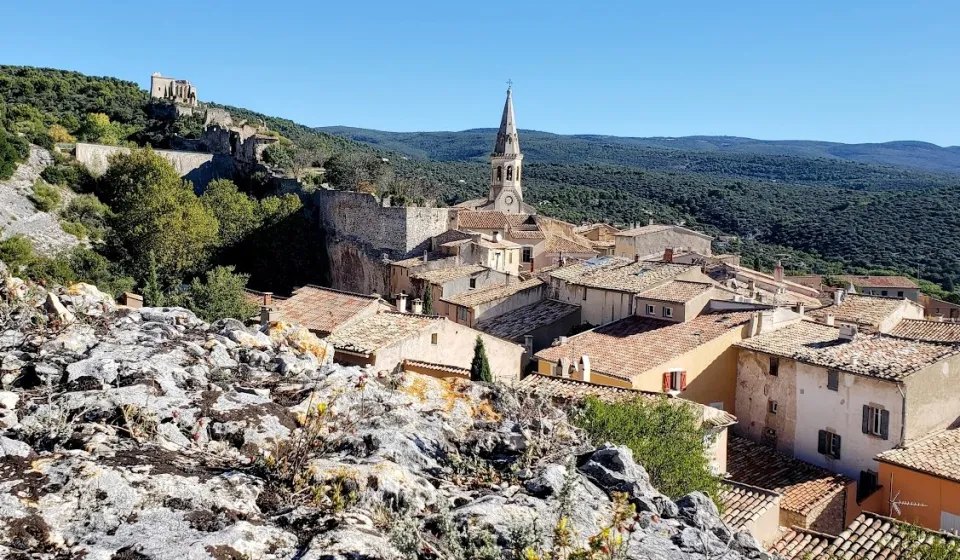
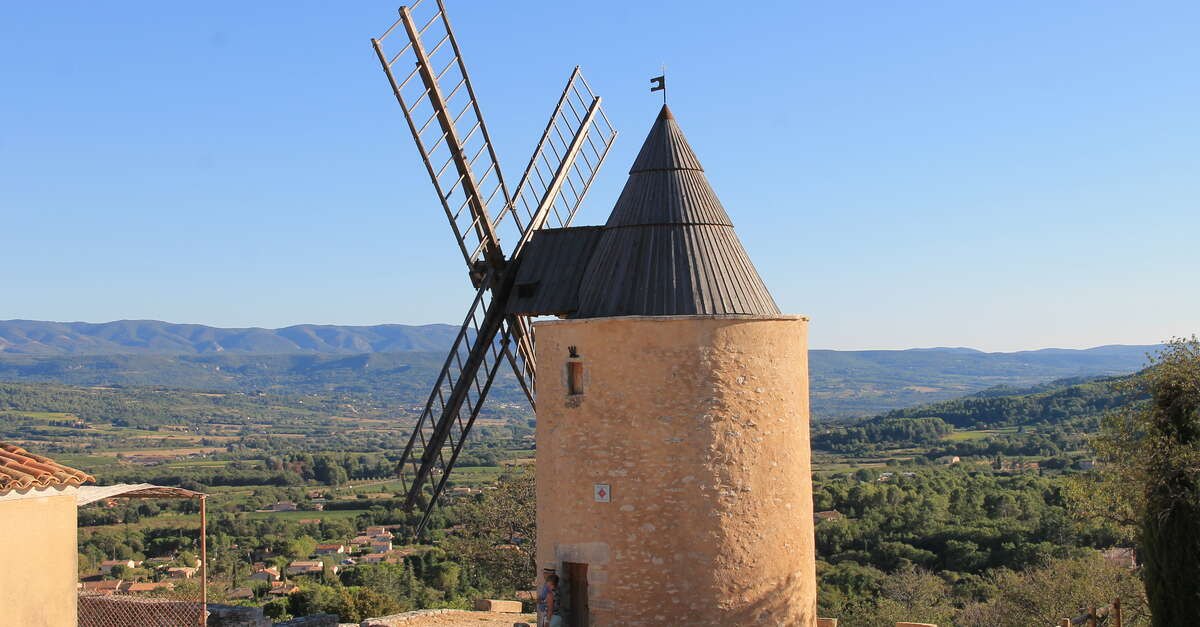
Saint-Saturnin is a village that doesn't try to impress. It simply is. Narrow streets, an old castle on a cliff, an old church. It was here, in this chapel, that the miracle happened. The village retains its windmills, an old fountain, and the ruins of an ancient settlement. This is a place with real energy that doesn't let go.
Part III. Saignon: The Village on the Rock
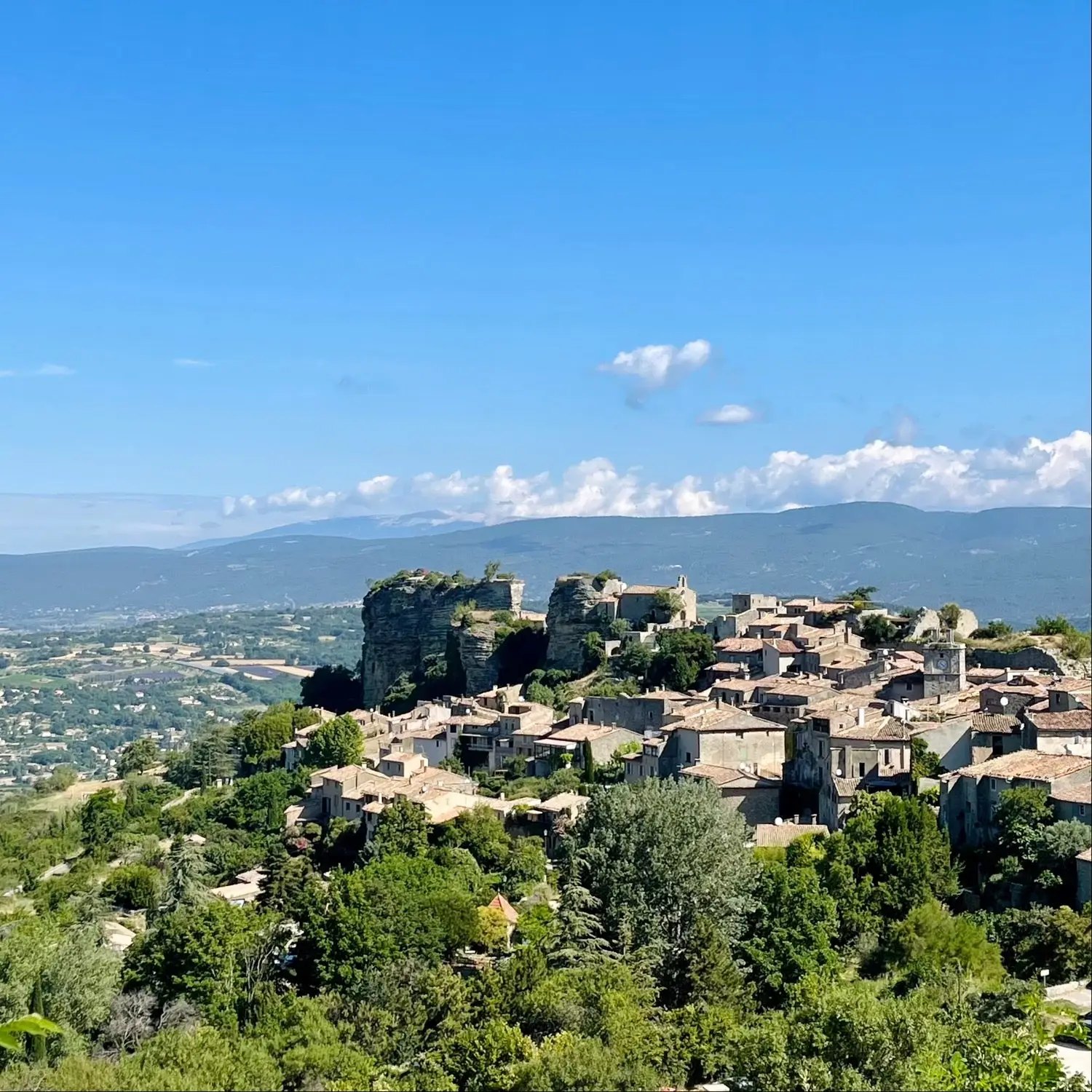
Saignon sits at 500 meters on a 30-meter rock. It is one of the oldest settlements in the Luberon. This is where Rosette Tamisier lived. Three castles once stood in the village, but now only ruins remain. The 12th-century Notre-Dame church, a 19th-century fountain with goldfish, houses carved right into the rock. From this point, you can see Mont Ventoux, Roussillon, Gordes, and all the way to the Alps.
Part IV. Gordes: The Postcard That Didn't Move Me
Gordes is beautiful, but for me, it remained a postcard. Too touristy, too expected. It didn't leave the kind of impression that stays with you. Saint-Saturnin gave the feeling of a place with real energy. Saignon—beauty without the crowds. And Gordes—just a pretty town on a picture.